Copyl Civil Preparedness Suite

Plan for peacetime crises and civil defence. Bring critical services, responsibilities, dependencies, exercises and decisions into one coordinated workspace.

One suite for two connected responsibilities

Civil preparedness covers readiness for peacetime crises and the broader civil effort to keep society functioning during heightened alert and war. The suite brings together Crisis Preparedness, Civil Defence and Preparedness Intelligence as three connected apps. Many capabilities—such as power, communications, people and supply continuity—support more than one.

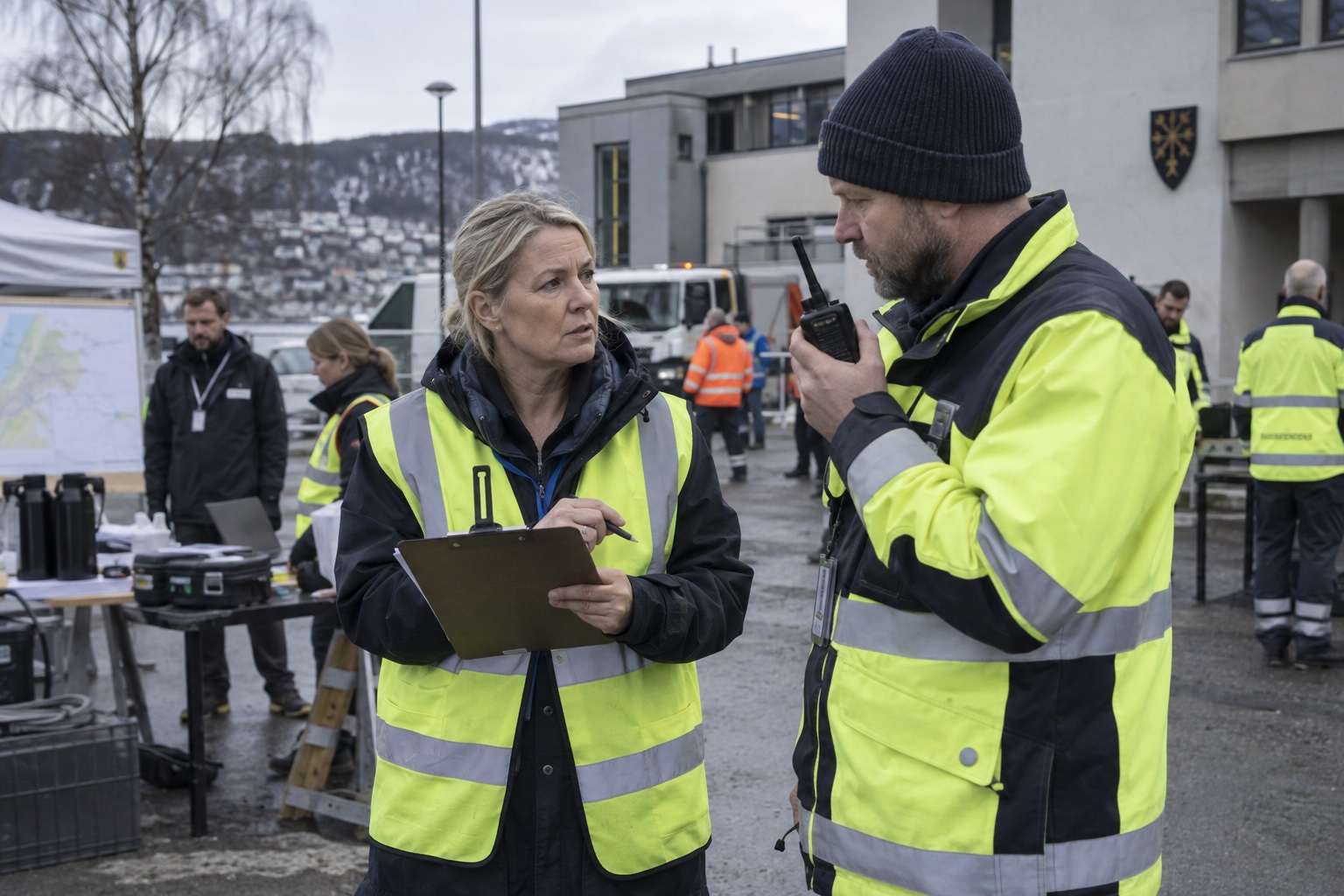
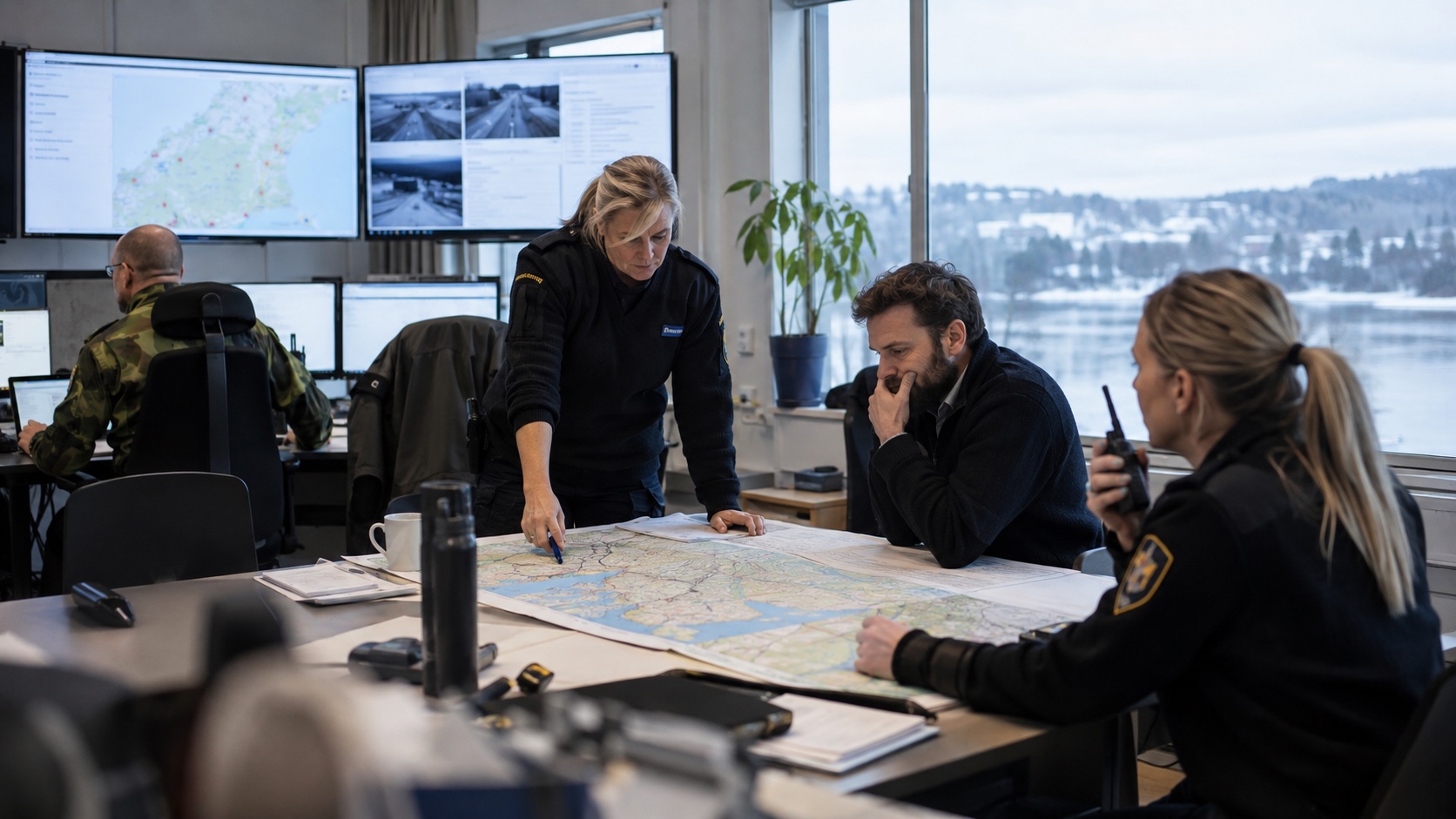
Municipal teams coordinating a crisis response

PEACETIME CRISES

Crisis Preparedness

Prepare for and coordinate responses to events such as extended power outages, pandemics, major accidents and disruptions to essential services.

  • Document critical services, owners, resources and fallback procedures.
  • Plan scenarios and exercises; assign follow-up actions for identified gaps.
  • Bring status, needs, decisions and work across departments into a shared view.
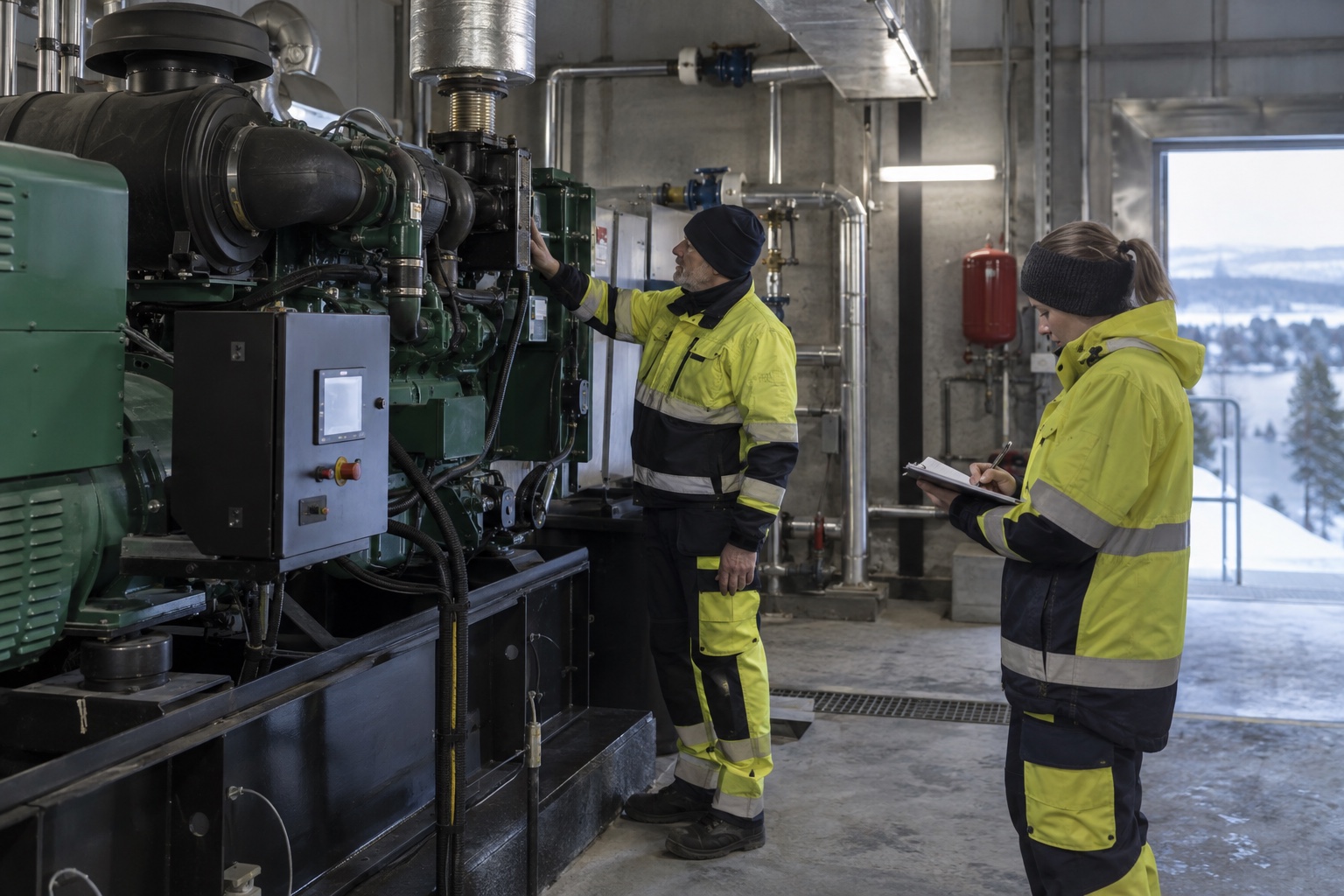
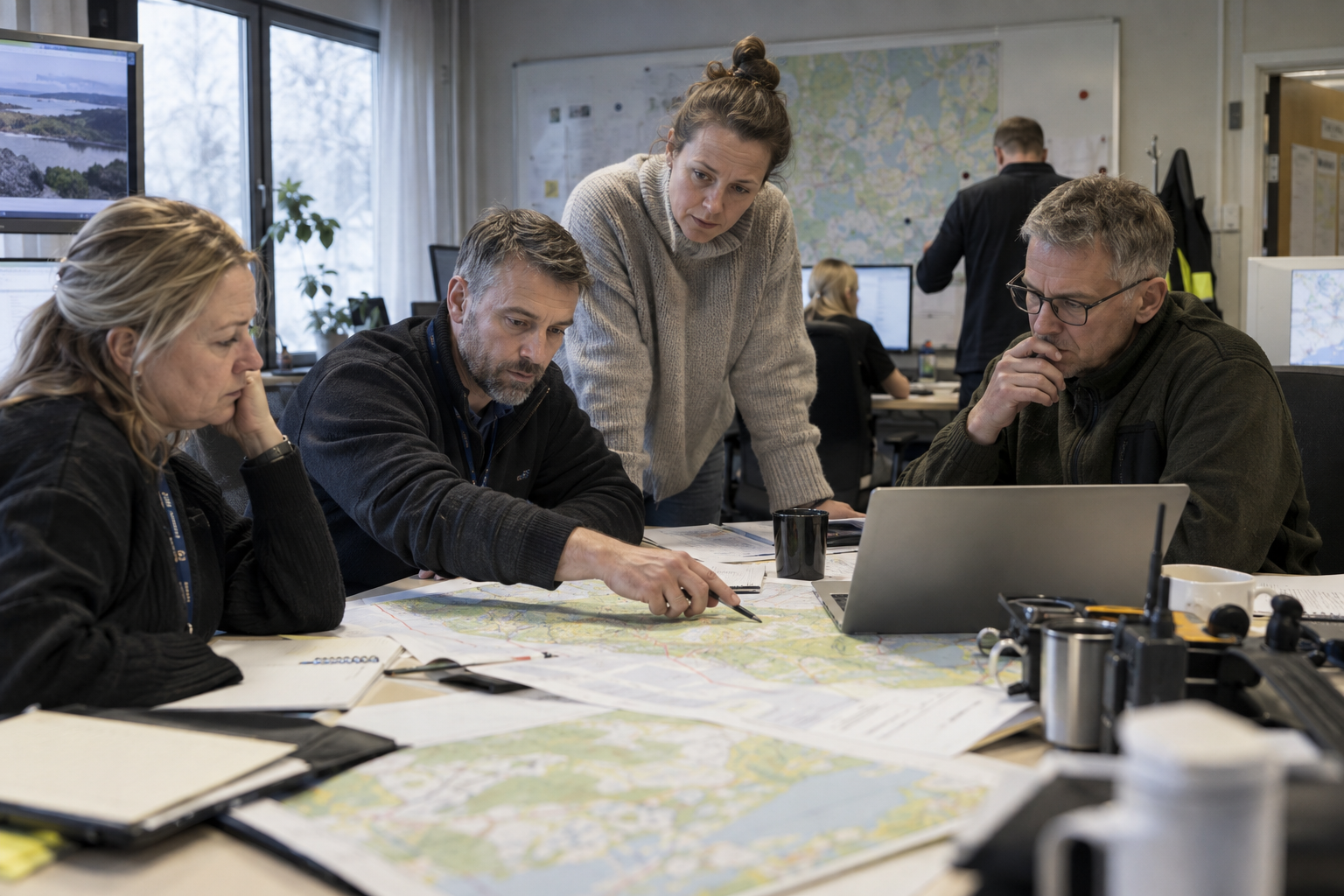
Critical infrastructure continuity planning

HEIGHTENED ALERT AND WAR

Civil Defence

Plan the civil component of total defence: how essential services and organizations prepare to function and protect the population during war or the threat of war.

  • Map essential functions, resources and dependencies across organizations.
  • Plan continuity measures and alternative ways of working when services are disrupted.
  • Coordinate responsibilities, decisions and actions across authorized public and private partners.
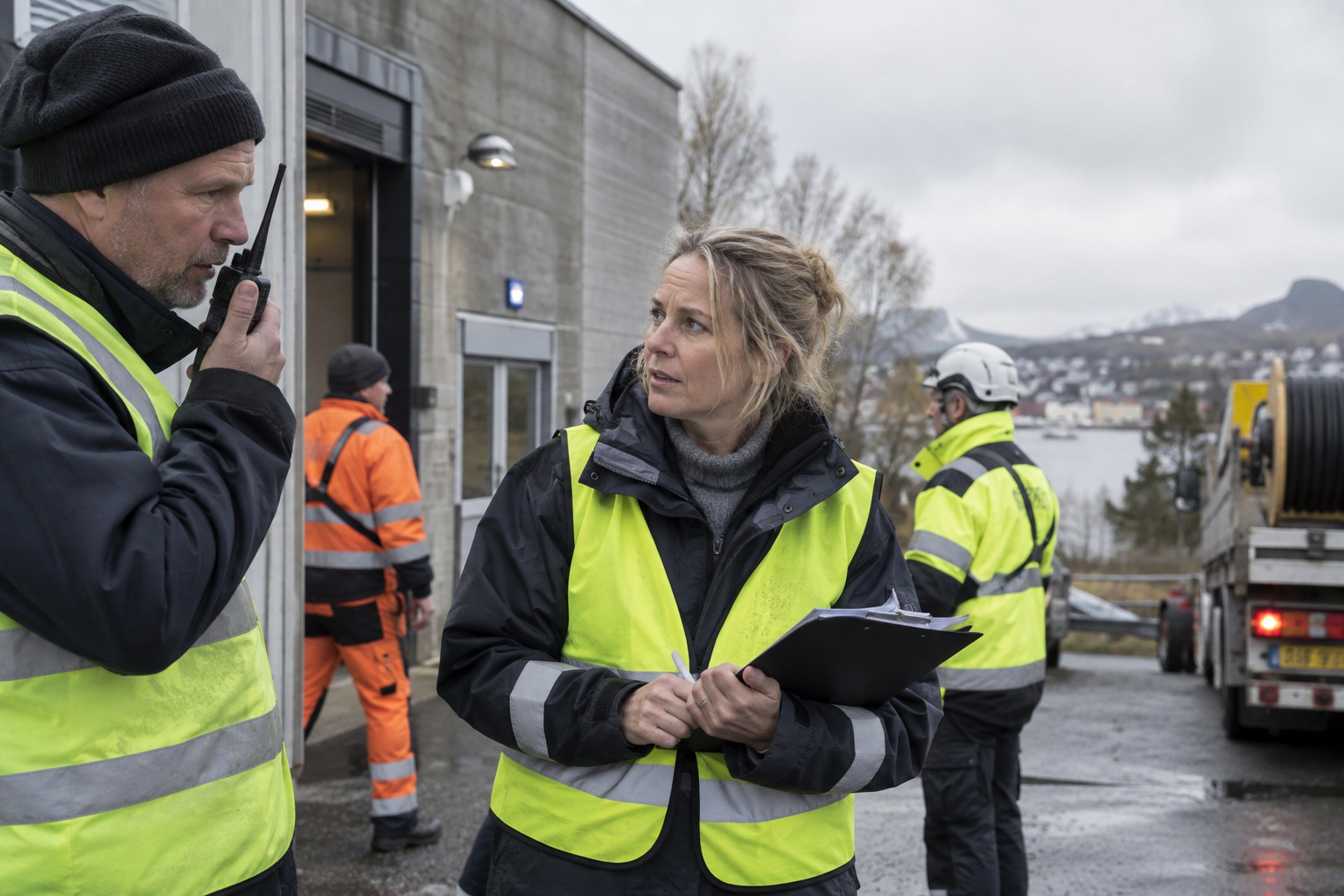
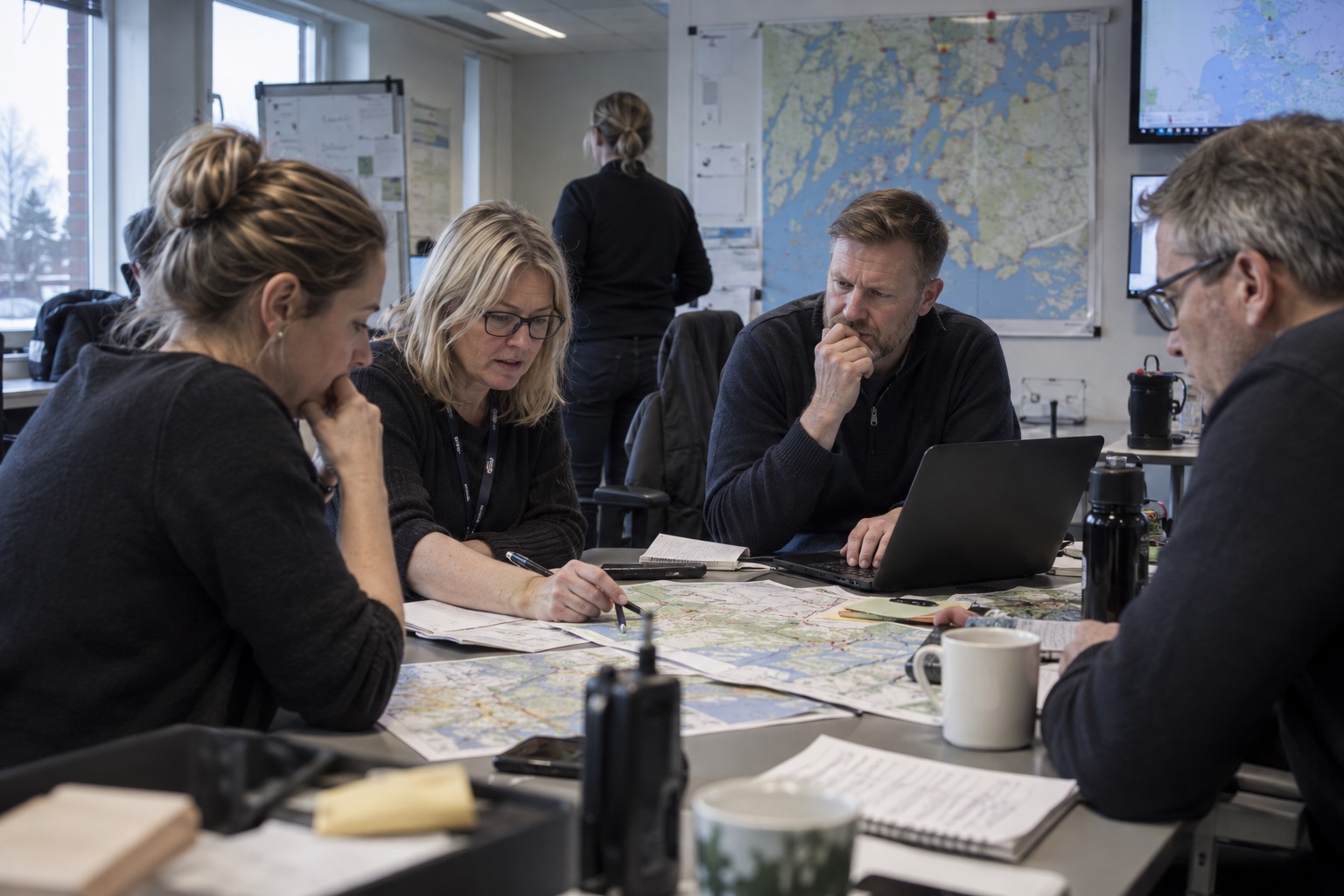
Public sector teams reviewing preparedness exercise information

APPROVED OPEN SOURCES

Preparedness Intelligence

Monitor approved public information sources and connect relevant developments to the services, plans and decisions they may affect.

  • Review source-attributed signals with publication time and confidence clearly shown.
  • Relate emerging developments to critical services, dependencies and preparedness plans.
  • Route items for human assessment and, when appropriate, create traceable follow-up actions.

From preparation to coordinated action and learning

Plan

Services, responsibilities, resources and dependencies

Exercise

Scenarios, assigned roles and observed gaps

Build the picture

Status, events, needs and decisions

Coordinate action

Owners, approvals, progress and next steps

Improve readiness

Review outcomes and update plans

Designed around your organization and operating context

Connect plans, current information and accountable work across departments and partners, with access shaped by roles and information sensitivity.

A shared operating cycle

Risk context

Use existing risks and assessments to inform priorities

Plans and scenarios

Record critical functions, dependencies and fallback measures

Shared situation

Bring status, events and needs together across teams

Decisions and actions

Assign owners, track approvals and follow through

Dependencies and continuity

Make important dependencies visible and document alternate procedures, resources and owners for disruption scenarios.

Risk information as shared context

Use Copyl’s existing risk management capability to inform planning and prioritization. Civil Preparedness does not require a separate risk module.

Role-based collaboration

Coordinate internal teams and external participants with access appropriate to their responsibilities and the sensitivity of the information.

Operational guidance in Operations Hub

Connect workflows to approved standard operating procedures, policies and Operations Hub knowledge books, chapters and documents. Keep source, version and access controls visible when guidance is referenced.

Connected to agreed data sources

Assess relevant operational systems and information sources with your organization; integrations and data flows are agreed as part of solution design.

Crisis Preparedness Prepare, exercise and coordinate for peacetime crises

Continuity planning for essential services

Continuity planning for essential services

Operations
Problem
A disruption can affect several services at once. Plans, contact paths, resource records and fallback procedures are often spread across documents and departments.
Agent action
Bring service owners, dependencies, resources, responsibilities and continuity measures into linked plans that teams can review and maintain.
Outcome
Teams can see what each service depends on, who is responsible and which alternative procedures are planned.
Scenarios, exercises and follow-up

Scenarios, exercises and follow-up

Operations
Problem
Exercise findings lose value when observations are separated from assigned owners, deadlines and the plans they need to improve.
Agent action
Record scenarios and exercise tasks, capture findings, assign corrective actions and link follow-up to the relevant plan or dependency.
Outcome
A traceable path from exercise observation to an owned action and an updated preparedness plan.
A shared situation across departments

A shared situation across departments

Signals
Problem
During an incident, leaders need a common view of events, service status, needs, decisions and work underway across organizational boundaries.
Agent action
Collect updates and needs in a shared operational view and keep related decisions and actions connected to their owners.
Outcome
Participants work from a clearer shared picture and can see what needs attention next.

Civil Defence Plan how essential services continue during heightened alert and war

Critical functions and dependencies

Critical functions and dependencies

Operations
Problem
The ability to maintain essential services depends on people, facilities, suppliers, infrastructure and other organizations that may be affected together.
Agent action
Document critical functions, responsible organizations, required resources, dependencies and known continuity measures in connected plans.
Outcome
Planners can review dependencies and responsibilities across the civil organizations involved.
Readiness scenarios and continuity measures

Readiness scenarios and continuity measures

Operations
Problem
Organizations need to understand how responsibilities and fallback arrangements apply across different disruption and readiness scenarios.
Agent action
Define scenarios, operating assumptions, responsibilities and alternative procedures; use exercises to identify and assign gaps.
Outcome
Plans can be reviewed and improved against agreed scenarios, with open gaps visible to their owners.

Coordination across authorized partners

Operations
Problem
Public organizations and essential service providers need to coordinate work while respecting different roles and information access needs.
Agent action
Connect shared status, decisions, responsibilities and actions across participating teams, with access governed by assigned roles.
Outcome
Partners can follow agreed work and decisions while keeping ownership and accountability visible.

Capabilities across the suite

Three connected preparedness apps

Use Crisis Preparedness for peacetime crises, Civil Defence for the civil component of total defence, and Preparedness Intelligence to monitor approved sources. Shared continuity work can support all three.

Critical services and dependencies

Connect essential functions with the people, resources, suppliers, infrastructure and partner organizations they depend on.

Scenarios and exercises

Plan exercises, clarify responsibilities, capture findings and follow corrective actions through to review.

Shared operational picture

Bring events, service status, needs and decisions from participating teams into a view they can coordinate around.

Owned actions and decisions

Assign responsibilities, track progress and retain the context connecting actions to decisions and plans.

Risk capability already in Copyl

Use existing risk information to inform preparedness priorities and actions. Risk management is a shared Copyl capability, not a separate suite module.

Role-aware collaboration

Bring relevant departments and external participants into workflows with access appropriate to their role and information needs.

Traceable change and follow-up

Keep a history of plan updates, decisions and completed actions so teams can review how readiness work has progressed.

Compliance & governance

Explore how Copyl supports enterprise governance and regulatory readiness across your AI operations.

Run it in Copyl Cloud, sovereign hosted on European-owned infrastructure, or fully on-prem inside your own perimeter.

Review how your organization plans, exercises and coordinates for crises and civil defence.

Discuss your preparedness needs →

Questions organizations ask

What is included in the Civil Preparedness Suite?

The suite brings together three connected apps: Crisis Preparedness for peacetime crises, Civil Defence for the civil component of total defence, and Preparedness Intelligence for approved-source monitoring. They connect planning, responsibilities, resources, dependencies, exercises and follow-up.

Do we need to add a separate risk management module?

No. Copyl’s existing risk management is a shared platform capability. Risk information can inform preparedness priorities, plans and actions.

Does AI make operational or emergency decisions?

AI support can help organize information and prepare suggestions or actions. Decisions and consequential actions remain with authorized people, with approval and attribution kept in the workflow.

How are sensitive plans shared?

Access is organized around roles and information sensitivity. The specific participant groups, permissions and information boundaries are defined with your organization.

Can it connect to our existing systems?

Relevant systems and data sources can be assessed during solution design. The exact integration scope depends on your systems, data, security requirements and agreed workflows.

How does Preparedness Intelligence use public information?

It monitors sources approved by your organization, keeps source attribution and timestamps with each signal, and helps people assess possible relevance. Signals are not treated as verified facts and do not trigger consequential actions without authorized human review.

Can we use our existing procedures and knowledge base?

Yes. Workflows can reference approved SOPs, policies and Operations Hub knowledge base material, including books, chapters and documents. Access follows your permissions, and references retain their source and version context.

Can we adapt it to our organization?

Yes. Workflows can be shaped around your operating model and extended for areas such as schools, health and social care, or technical utilities.

Explore other industries

View all industries